
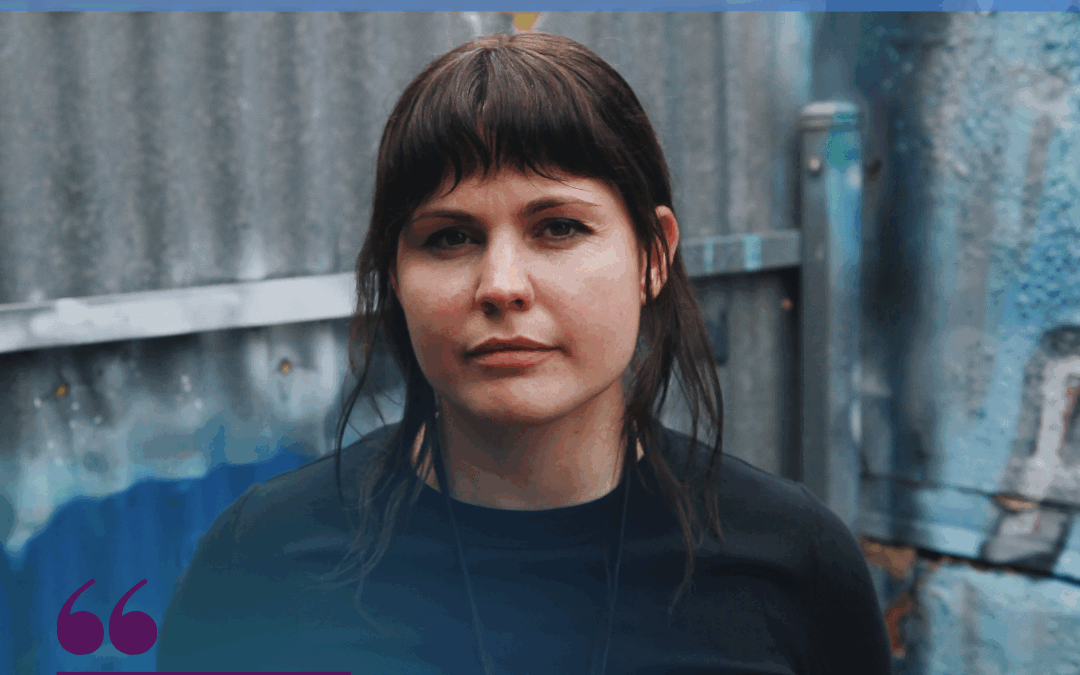
Something I am proud of in my journey:
I’m proud of myself for building insight into my illness from day one. I come from a naturally curious family with a love for learning and that has served me well. With a brain wired for rollercoasting, it’s important to understand how the ride works. I’ve spent the last 15 years, since I was diagnosed at 19, working to understand what I need to stay well – and doing that. I learnt quickly that medication is not my enemy. Rather, it allows me to live a full and stable life. I need it to live well; to be set free to be creative, without damaging my brain beyond repair. It took me a little longer to learn that sleep is my #1 ally. When I sleep consistently, I’m able to live a normal life. When I don’t, everything goes wrong. These days, I use different kinds of sedatives to strategically manage my sleep. I think of them like epipens for mania.
I’m proud of the work I’ve done over the years to educate communities around me. When I was first diagnosed, mental illness was still misunderstood and shrouded in mystery. My complete lack of self-stigma and my natural openness about my mental health helped those around me understand it better. This even extended into paid work in mental health promotions, where I could draw on my lived experience to serve and bring comfort to others. I know my journey, and honesty, has helped others – whether through sharing insights, putting folks in touch with resources, or simply making people feel less alone.
I’m proud that I’ve always been good at asking for help. I feel comfortable reaching out, articulating my needs and communicating when I need to rest or prioritise self care. Social supports buffer against the challenges and stressors of life, and are so important for those of us with hurricane brains. I work hard to show up for my friends and family, so they can show up for me when I’m in need. Community care is crucial.
I’m also proud of myself for not glamourising insanity. Psychosis doesn’t represent escaping the “straightjacket of conformity”. Not taking my meds and getting unwell isn’t more authentic. There’s no transformative meaning in madness; no self actualisation beyond the ordinary. I simply have an illness. Although sometimes, as a little treat, I like to revel in the poetic strangeness of it all.
Message for those who are newly diagnosed:
It’s possible to live well with bipolar. I’m currently a copywriter for a university and married with a beautiful home in the hills. I have two degrees: a bachelor of creative writing and a masters in teaching. I co-founded and run a music mentorship program for girls, trans and nonbinary young people in need of community. I’m set to release an album this year and have written a book to accompany it, about insights, tools and balms I’ve developed to deal with life, mental health challenges and the infinite abyss. I have supportive and loving friends who accept my oddities. I’ve found ways to contribute and be creative.
It isn’t always easy. I get exhausted, anxious and angry. Depression feels almost unbearable sometimes, even in short waves. But my depressive thoughts are not reality. I can and do experience the world as enjoyable – often in fact.
Life has much to offer, even – and in some instances especially – for people whose brains work differently. Hold on.
