
Our Blog

Finding Joy in the Ordinary: Celebrating Stability While Living with Bipolar Disorder
After years of navigating bipolar disorder, blogger Melissa shares how finding the right treatment and routine led to a new appreciation for life’s ordinary moments. Her story highlights that recovery is not about perfection, but about building a sustainable life grounded in peace and hope.
By Melissa Howard
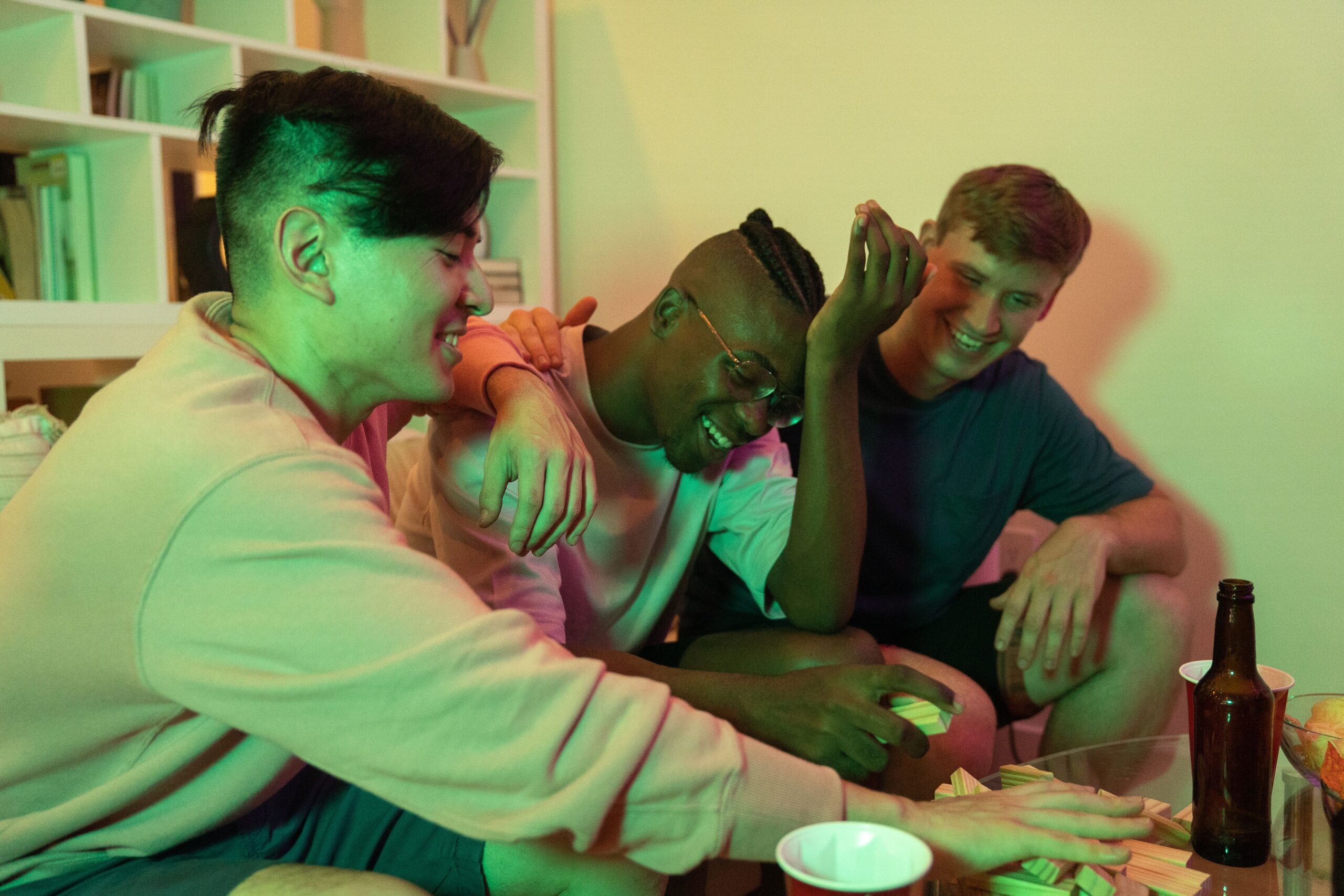
Male Vulnerability and Relationships
Author Matthew reflects on the challenges of dating while living with bipolar I disorder, including when to disclose his diagnosis and navigating personal insecurities. Through vulnerability and self reflection, he discovers that authenticity and growth matter more than appearing “perfect.”
By Matthew Palmieri

What the Classroom Never Saw
This personal story explores how the structure of teaching helped mask author Ivan’s worsening mental illness, allowing them to appear capable while struggling in silence. After leaving the classroom, he began redefining recovery by prioritizing sustainable well-being over simply enduring.
By Ivan Aponte

Full Remission Is Possible
Blogger Maria shares her decades long journey with bipolar I disorder, from devastating episodes to lasting stability through treatment and support. Her story offers hope that recovery is possible and that a meaningful life can be built beyond a diagnosis.
By Maria Jacobs
Ask the Expert: Is it normal to miss hypomania?
Licensed clinical psychologist Dr. Stephanie Freitag answers June 2026’s “Ask The Expert” question.
By Dr. Stephanie Freitag PhD
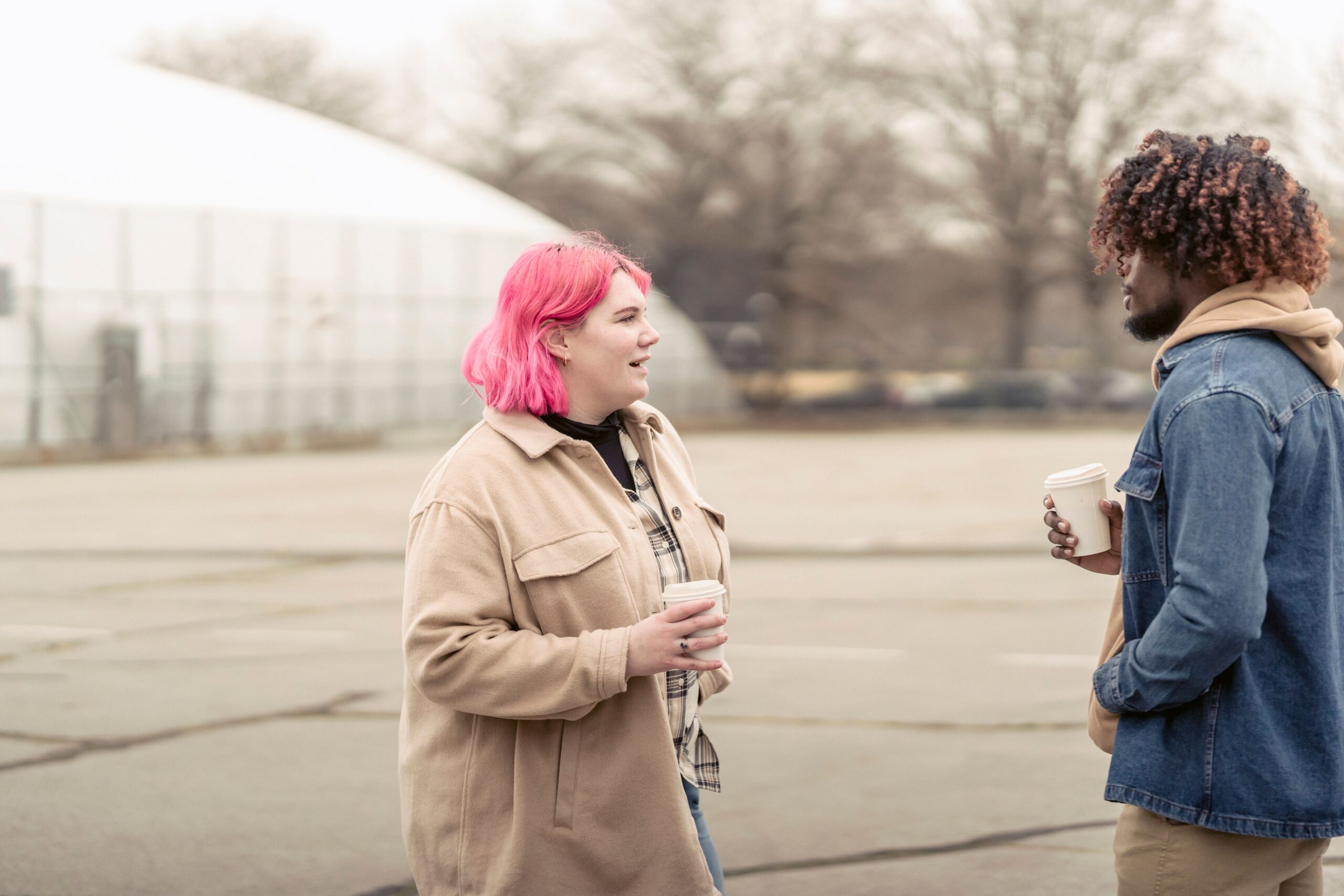
The Vulnerability Hangover: The Aftermath of Over-Disclosing
The blog reflects on the challenge of deciding when to disclose a bipolar disorder diagnosis, highlighting how lived experience shifts between openness, caution, and self protection. It uses media portrayals and personal reflection to show the ongoing tension between reducing stigma and managing shame in relationships and everyday life.
By Matthew Palmieri

The Power of “No”: How Boundaries Protected My Mental Health
For many people, setting boundaries brings guilt, fear, and discomfort before it brings peace. This reflection explores why honoring personal limits is not selfish but a necessary act of self-respect and self-care.
By Melissa Howard
If My Story Reaches One Person, It’s Worth It
What happens when silence gives way to openness? In this thoughtful reflection, Dr. Jillian LaFrance shares how embracing her bipolar disorder diagnosis and speaking about her experiences transformed both her recovery and her sense of purpose.
By Dr. Jillian LaFrance

Wanting to Run, Wanting to Lie Down: On Inter-episode States in Bipolar Disorder
This personal reflection explores the challenges of navigating an inter-episode period in bipolar disorder, where moods shift unexpectedly and stability feels uncertain. Through it all, the author shares a journey of resilience, support, and finding their way back to themselves.
By Nicholas A Duran, LMHC
Ask the Expert: Can showing up for someone who’s struggling be a learned skill, and how can it make a meaningful difference in their life?
For Mental Health Awareness Month, licensed clinical psychologist Dr. Stephanie Freitag answers May 2026’s “Ask The Expert” question.
By Dr. Stephanie Freitag PhD

Isolation Taught Me Something Unexpected
This piece explores how, during a severe mental health crisis, isolation became a source of silence, safety, and relief rather than punishment. Through reflection and poetry, the author describes finding peace and a sense of control within the quiet.
By Ivan Aponte

Why I Run Trails to Keep My Bipolar Brain Stable
This blog explores how zone 2 cardio in nature can support stability for people living with bipolar disorder by calming the nervous system, reducing stress, and improving emotional regulation. Through personal experience and neuroscience, the writer shares how steady movement outdoors has become an important part of managing bipolar I disorder.
By Adam Flesner

The Bipolar Social Battery: Balancing the “Yes” and the Earned “No”
This personal blog explores the journey of accepting bipolar disorder and learning to balance isolation, connection, and self awareness. The writer shares how routine, creativity, and choosing hope have helped them navigate stability while living with bipolar I disorder.
By Matthew Palmieri

Own Your Mental Condition — Then Learn, Fight, Win
In recognition of Mental Health Awareness Month, this powerful story highlights how owning a diagnosis, seeking professional support, and building a personalized recovery plan can transform a life. It’s a reminder that mental health is health, and that with the right tools and support, recovery and purpose are possible.
By Major General Gregg F. Martin, PhD, US Army (Ret.)

Creativity To Combat The Abyss
Creativity can be a lifelong source of identity, healing, and resilience while navigating bipolar disorder and recovery from a psychotic episode. It shows how creative expression can transform pain into meaning, offering connection, self-understanding, and hope.
By Anna Jeavons

When Up and Down Happen at the Same Time: My Experience With Bipolar Mixed Episodes
A personal look at bipolar mixed episodes, where symptoms of mania and depression occur at the same time. It highlights the importance of support, honesty, and coping strategies in managing the condition.
By Lisa MacDonald
Ask the Expert: What is the best way for a person with bipolar to support another person with bipolar?
Licensed clinical psychologist Dr. Stephanie Freitag answers one of your bipolar questions in April 2026’s installment of IBPF’s “Ask The Expert”.
By Dr. Stephanie Freitag PhD

What Love Looked Like Before, During, and After My Diagnosis
A bipolar diagnosis once made her fear she would never be loved again. Over time, through honesty and supportive relationships, she discovered that love, stability, and connection are still fully possible.
By Love K

When Spring Awakens More Than the Seasons: Navigating “Spring Mania” with Awareness and Care
Spring’s longer, brighter days can boost energy, but for those with bipolar disorder, they may also signal mood shifts—especially when sleep and routines change. With awareness and consistent habits, it’s possible to enjoy the season while maintaining stability.
By Melissa Howard

What Kept Me Here
A powerful first-person story of living with bipolar disorder and surviving multiple suicide attempts, shaped by moments that changed everything. A raw, honest reminder that even in the darkest times, something can shift, and that survival is possible.
By Adam Flesner
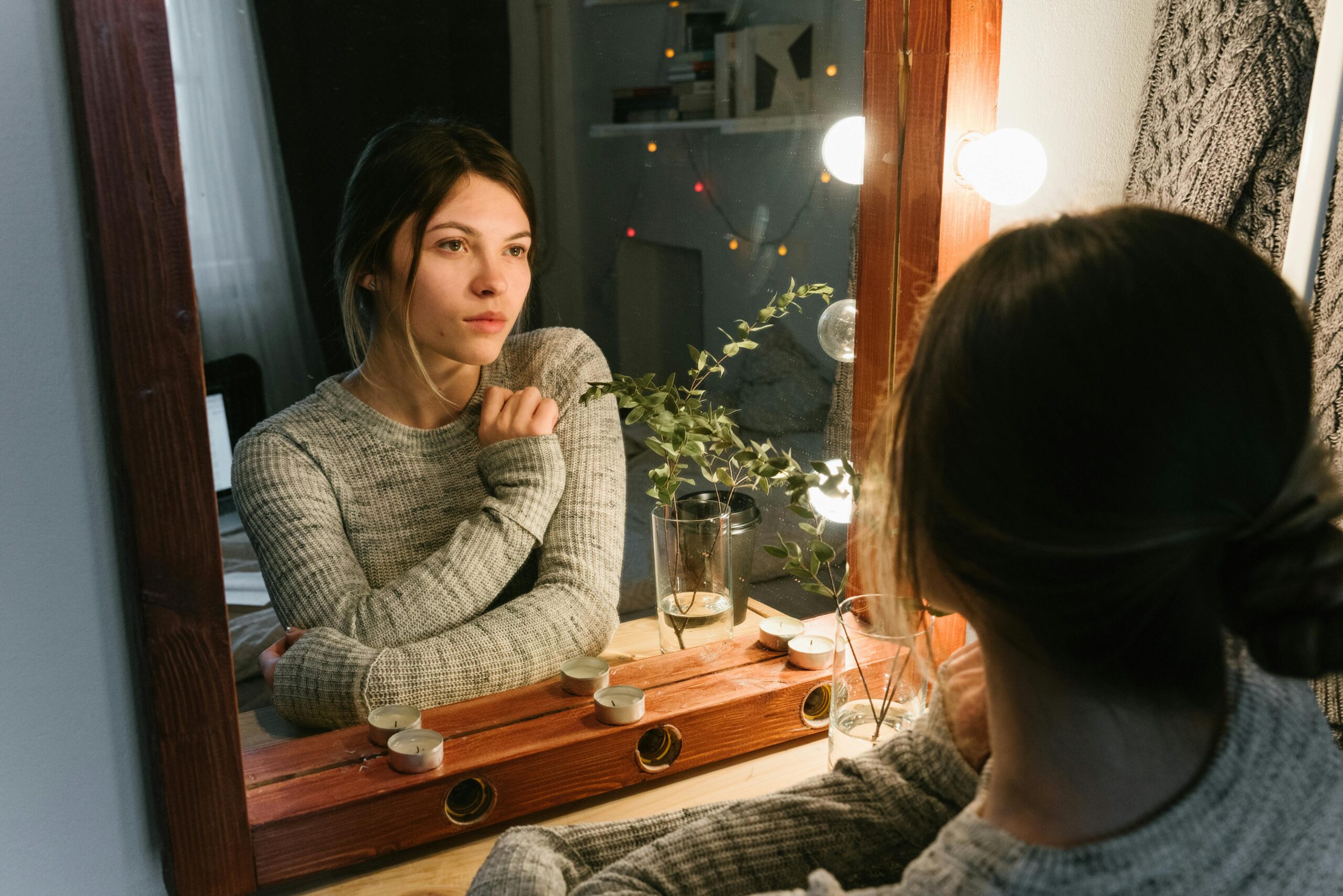
Understanding Anosognosia: Why Insight Cannot Be Assumed—Even Between Episodes
Anosognosia is a neurological condition that impairs a person’s ability to recognize their own illness, making treatment engagement difficult. Understanding it as a biological issue rather than a choice is essential for creating more effective and compassionate clinical care.
By Anonymous

Scratch That: Notes on Misdiagnosis
Bipolar disorder is often misdiagnosed, leading to a difficult and sometimes overwhelming journey to the right treatment, sometimes alongside other conditions like Functional Neurological Disorder. While the path can be complex and non-linear, finding the right diagnosis, support, and holding onto hope can make stability and healing possible.
By Nicholas Duran, LMHC

When Mania Rewrites Reality
This personal story shares the author’s experience of a sudden shift from depression into a severe manic episode with psychosis, ultimately leading to a bipolar I diagnosis. It reflects on the intensity of mania, the difficult aftermath of depression, and the ongoing effort to find stability and a sense of wholeness.
By Monica Mason

Work Benefits That Helped Me As a Person Living with Bipolar (That Aren’t Salary)
Dr. Caroline Fraissinet highlights how workplace benefits such as health care, flexibility, and mental health support, can make a meaningful difference for people living with bipolar disorder. She emphasizes that the right benefits can support stability, reduce stress, and improve overall well-being.
By Dr. Caroline Fraissinet
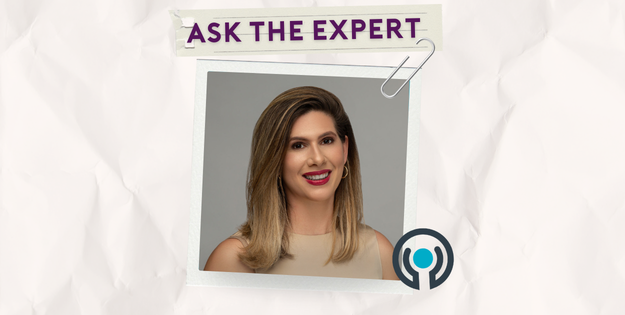
Ask the Expert: What is IPSRT therapy and how can it benefit those with bipolar?
Licensed clinical psychologist Dr. Stephanie Freitag answers one of your bipolar questions in March 2026’s installment of IBPF’s “Ask The Expert”.
By Dr. Stephanie Freitag PhD

When the Clocks Spring Forward: Bipolar Disorder and the Weight of Time
This blog highlights how even small time changes can disrupt stability for those with bipolar disorder, underscoring the importance of routine and self-awareness. It emphasizes that lasting stability is built gradually through patience, intentional choices, and consistent support.
By Melissa Howard

Living With Bipolar Disorder: A Voice From Inside
A teacher reflects on the quiet onset of bipolar disorder and the internal struggle that unfolded behind a seemingly stable life. Through his story, he highlights the impact of stigma and the importance of understanding, support, and responsible self management in recovery.
By Ivan Aponte

Bipolar Love: Never Give Up
This blog shares a lived experience of bipolar I disorder, exploring the fear of being seen during depressive episodes and the challenges it can bring to relationships. It reflects on how honesty, vulnerability, and growth can help build meaningful connection despite the ups and downs of bipolar disorder.
By Terri Cheney

Heightened Emotional Reactivity in Bipolar Disorder
For many people living with bipolar disorder, emotions can rise quickly, feel more intense, and linger longer than expected. Jillian LaFrance, PhD explores the concept of heightened emotional reactivity, explaining how neurological differences in emotional processing shape these experiences while encouraging greater understanding and compassion.
By Jillian LaFrance, PhD
Ask the Expert: How do I choose the right therapist for me?
Licensed clinical psychologist Dr. Stephanie Freitag answers one of your bipolar questions in February 2026’s installment of IBPF’s “Ask The Expert”.
By Dr. Stephanie Freitag PhD

Finding Stability: Medication, Setbacks, and the Long View of Bipolar Disorder
In this reflection, Melissa Howard shares her journey with bipolar disorder, from early self stigma and medication challenges to relapse and long term stability. She reminds readers that while treatment can take time and adjustment, sustained euthymia is possible with persistence and support.
By Melissa Howard

The Exhaustion of Self-Awareness
In this candid reflection, Matthew Palmieri explores what happened after he accepted his bipolar diagnosis. With honesty and sharp insight, Matthew examines the space between acceptance and peace, and what it means to keep learning who you are beyond the diagnosis.
By Matthew Palmieri
Walking Alongside Me: Managing Bipolar Disorder With Compassionate, Ongoing Support
In this reflective piece, Lexie Manion shares her journey from a bipolar diagnosis and hospitalization to stability, graduate school, and renewed self trust. She writes about building strong support systems, recognizing warning signs, and moving forward with clarity, accountability, and hope.
By Lexie Manion
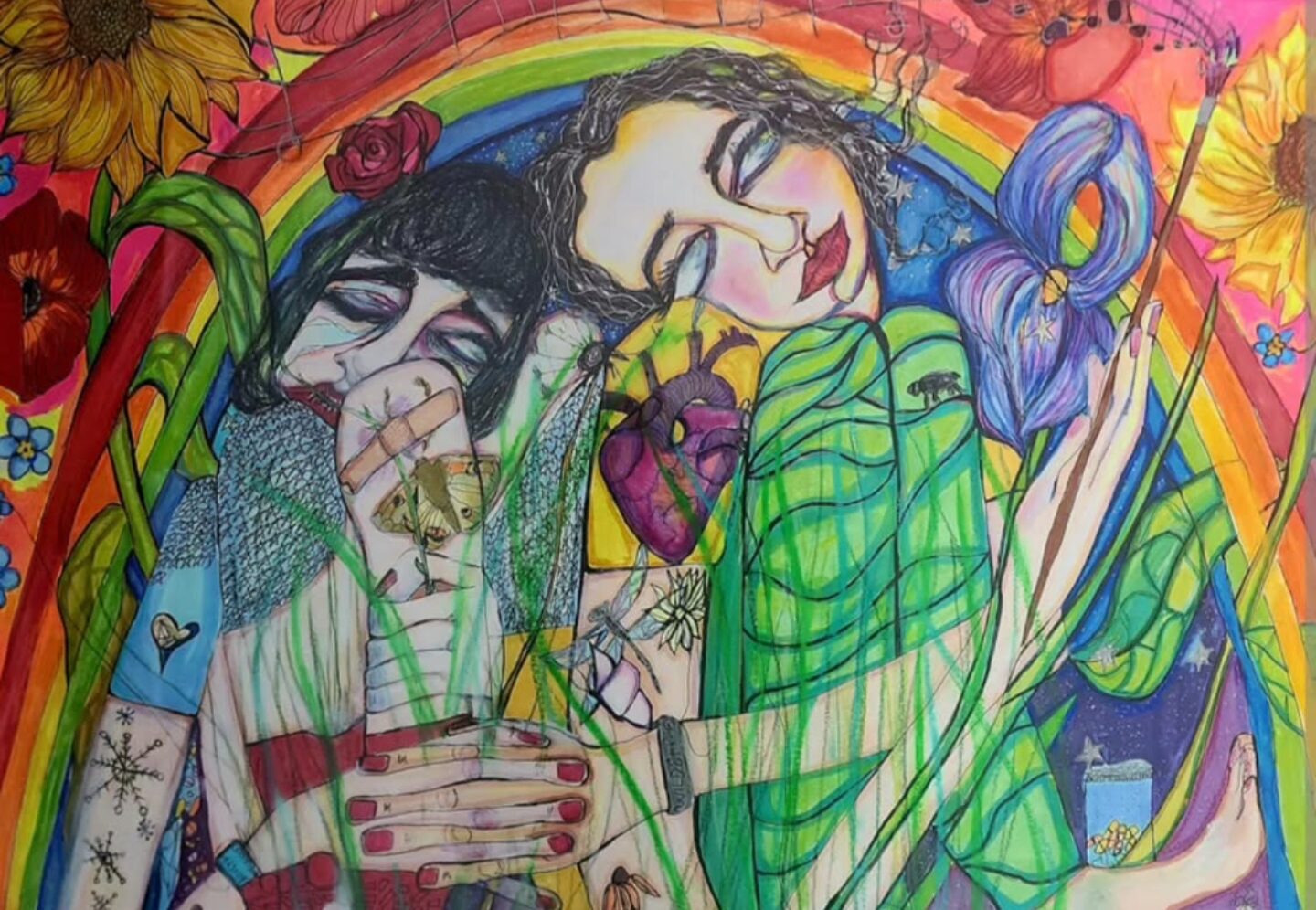
Having a Seat with My Illness
In this reflective piece, April revisits her former self and gently reclaims creativity, possibility, and hope. Through art, patience, and small beginnings, April shares how dark spaces can become blank canvases, and how healing can open the door to steadiness, meaning, and new dreams.
By April Mansilla
Ask the Expert: What’s the difference between bipolar disorder and borderline personality disorder?
Licensed clinical psychologist Dr. Stephanie Freitag answers one of your bipolar questions in January 2026’s installment of IBPF’s “Ask The Expert”.
By Dr. Stephanie Freitag PhD
Living With Bipolar Disorder in Uncertain Times
In this compassionate reflection, Nicholas Duran shares the experience of living with bipolar disorder during times of collective fear and uncertainty. Drawing from both personal and professional insight, he emphasizes the importance of connection, routine, and creative expression as anchors for healing.
By Nicholas Duran, LMHC

Depths of Darkness
In this vivid poem, Jillian navigates the depths of darkness and the effort it takes to surface amid the turbulence of bipolar experience. A small but persistent light reflects resilience, survival, and the ongoing act of choosing to breathe through uncertainty.
By Dr. Jillian LaFrance
New Year, New Expectations: Ditching Perfection in Our Resolutions
For many people living with bipolar disorder, New Year’s resolutions create pressure that can lead to shame and burnout. Reflections from various IBPF bloggers offer a more compassionate approach to the New Year, one grounded in care, flexibility, and self understanding rather than perfection.
By various IBPF bloggers

Navigating the Post-Holiday Season with Bipolar Disorder
This reflective post explores the emotional aftermath of the holidays through the lens of living with bipolar disorder, honoring survival, change, and the power of self compassion. It offers a gentle reminder that intentions matter more than perfection and that community, support, and prioritizing mental health are essential as we move into a new year.
By Melissa Howard
Ask the Expert: Therapy modalities for someone with both bipolar + PTSD
Licensed clinical psychologist Dr. Stephanie Freitag answers one of your bipolar questions in the first installment of IBPF’s “Ask The Expert”.
By Dr. Stephanie Freitag PhD

Diagnosed via Push Notification?
Comedian Maria Mainelli marks five years since her bipolar diagnosis by revisiting the moment it all clicked and the path from isolation to advocacy, humor, and self acceptance.
By Maria Mainelli

The Holidays and Mood Disorder: Pieces of Gratitude
In this heartfelt entry, survivor Minnie shares some of beautiful pieces of life that she is grateful for this holiday season.
By Minnie Almader, Ed. D. and retired mental health counselor
Breakups, Rejection, and the Bipolar Brain
Dating with bipolar disorder can feel overwhelming, isolating, and deeply personal. Through honesty and reflection, this piece explores heartbreak, disclosure, and the emotional intensity of dating while managing mood episodes. It is a reminder that healing, self compassion, and meaningful connection are still possible, even after loss and setbacks.
By Matthew Palmieri
Finding Stability Through Sobriety
How sobriety opened the door to healing, clarity, and a new life. This journey shows that support, treatment, and persistence can bring stability, even after the hardest setbacks.
By Camelia Porrata

Heaven is a Feeling
This reflection explores how grief and bipolar disorder shape the body, turning emotion into a physical landscape of rising and sinking. It shows how connection, memory, and moments of presence can become a form of spirituality and a path toward healing.
By Nicholas A. Duran, LMHC

To the Boy (a poem by Gareth Coetzee)
A haunting yet hopeful reflection on grief, duty, and renewal, this poem captures a grandson’s inheritance of compassion amid loss, shaped by his time in the hospital and his choice to carry on despite sorrow.
By Gareth Coetzee

Media, Misrepresentation, and Mental Health: How Bipolar Disorder Became Linked to Violence
This entry examines how media often link bipolar disorder to violence, fueling harmful stigma. Dr. LaFrance calls for more accurate, compassionate portrayals that show the realities of treatment and recovery, helping replace fear with understanding.
By Dr. Jillian LaFrance

Living, Healing, and Creating with PTSD, Grief, and Bipolar Disorder
Through loss, trauma, and bipolar disorder, Nicholas Duran finds healing in creativity. His story reminds us that beauty and pain can coexist, and that choosing to keep going is its own form of hope.
By Nicholas Duran
The Grief of Lost Time
Bipolar disorder can leave you feeling like time is slipping through your fingers, against your control. Matthew’s validating story touches on reflecting on days, weeks, or years that feel “missing” because of episodes — and learning not to define yourself by them.
By Matthew Palmieri

Working Girl: Navigating a Professional Life With Bipolar
In this personal reflection, Mihali Mqushulu shares how a bipolar diagnosis collided with her dreams of independence and career success. After losing a job opportunity due to discrimination, she begins questioning the stigma surrounding mental illness in the workplace.
By Mihali Mqushulu

The Power of Art in Acute Psychiatry
Living with bipolar disorder often means navigating two worlds: the one inside and the one others see. In this powerful reflection, April Joy Mansilla returns to the psychiatric unit not as a patient, but as an expressive arts teacher. She shares how creativity, choice, and compassion can restore dignity where it’s been lost.
By April Joy Mansilla

“Why?” – a poem by Abby Tandel
In this reflective poem, we see the perspective of someone who once tried to carry the weight of the world while struggling with illness. Now, they are learning to let go, acknowledging ongoing pain but choosing to step back, recognizing that strength isn’t endless and healing means releasing what isn’t theirs to hold.
By Abby Tandel

My Memory: The Day My Father Was Misdiagnosed
Minnie Almader recalls a traumatic beach trip where her father nearly drowned and was later hospitalized with paranoia. Years later, he was diagnosed with bipolar disorder, inspiring her to advocate for mental health and encourage others to process difficult memories and seek support.
By Minnie Almader
What Does Peace Look Like? Reflections on Bipolar Depression and Grief
Bipolar disorder threads through Nicholas A. Duran’s journey of grief and healing. In this reflection, he shares how loss, love, and the sea shape his life and work, and how bipolar deepens his capacity to feel, connect, and find peace.
By Nicholas A. Duran, LMHC

Bipolar as Sacred Fire: Spirituality, Creativity, Gender, and the Transformative Power of Madness
Bipolar disorder has shaped Matthew Jackman’s life in profound way. From childhood loss and resilience to finding meaning in madness, gender, and creativity. In this reflection, Matthew shares how art, advocacy, and spirituality transformed their condition into a source of wisdom and strength.
By Matthew Jackman

Friendships on the Brink
Bipolar disorder can strain even the closest connections. In this reflection, Matthew shares the friendships lost, the ones that endured, and the responsibility he feels to keep moving forward. His story shows how gratitude and belonging can light the way through hardship.
By Matthew Palmieri
Under the Wet Blanket: Surviving a Depressive Episode
Living with bipolar disorder can feel like an endless cycle of highs and lows, but sometimes the deepest struggles reveal hidden strength. In this powerful reflection, Melissa shares how years of misdiagnosis, a near-fatal depressive episode, and the terrifying reality of psychosis shaped her path toward understanding, resilience, and hope for stability.
By Melissa Howard

Who Do You Tell?
Facing a bipolar diagnosis can feel overwhelming, filled with fear, secrecy, and the uncertainty of who to trust with the truth. In this candid reflection, Mihali shares how acceptance begins within, and how honesty, accountability, and support from loved ones can transform stigma into strength and connection.
By Mihali Mqushulu

You’ve Got Me Feeling Emotions: What Songs Reveal About Living with Bipolar Disorder
In this thoughtful blog, Nicholas A. Duran, LMHC, explores how music reflects the lived experiences of bipolar disorder. Drawing on his background as a therapist, dancer, and researcher, he analyzes lyrics from famous bipolar artists, showing how creativity becomes both expression and survival.
By Nicholas A. Duran, LMHC

An Artificial Nostalgia
In this honest and thoughtful poem, Tom Luker reflects on the changes that come with taking medication for bipolar disorder. He captures the balance between relief from extreme moods and the feeling of losing parts of himself, offering a clear look at the trade-offs that can come with stability.
By Tom Luker

Laughing Through the Bipolar Plot Twists with Maria Mainelli
Comedian Maria Mainelli turns the ups and downs of bipolar 1 into sharp, honest, and hilarious storytelling. In this Q&A, she shares how her diagnosis shaped her creativity, her comedy, and her outlook on what it means to be okay.
By Maria Mainelli

The Crash After the High: What I’ve Learned from Manic Fallout
The highs of mania can feel exhilarating, but they often come at a steep cost. In this honest and moving reflection, Matthew explores the aftermath of mania, the grief that follows, and the difficult work of rebuilding. With sharp insight and deep vulnerability, he shares the lessons he’s learned about self-compassion, rest, and finding meaning in the cycles of bipolar disorder.
By Matthew Palmieri
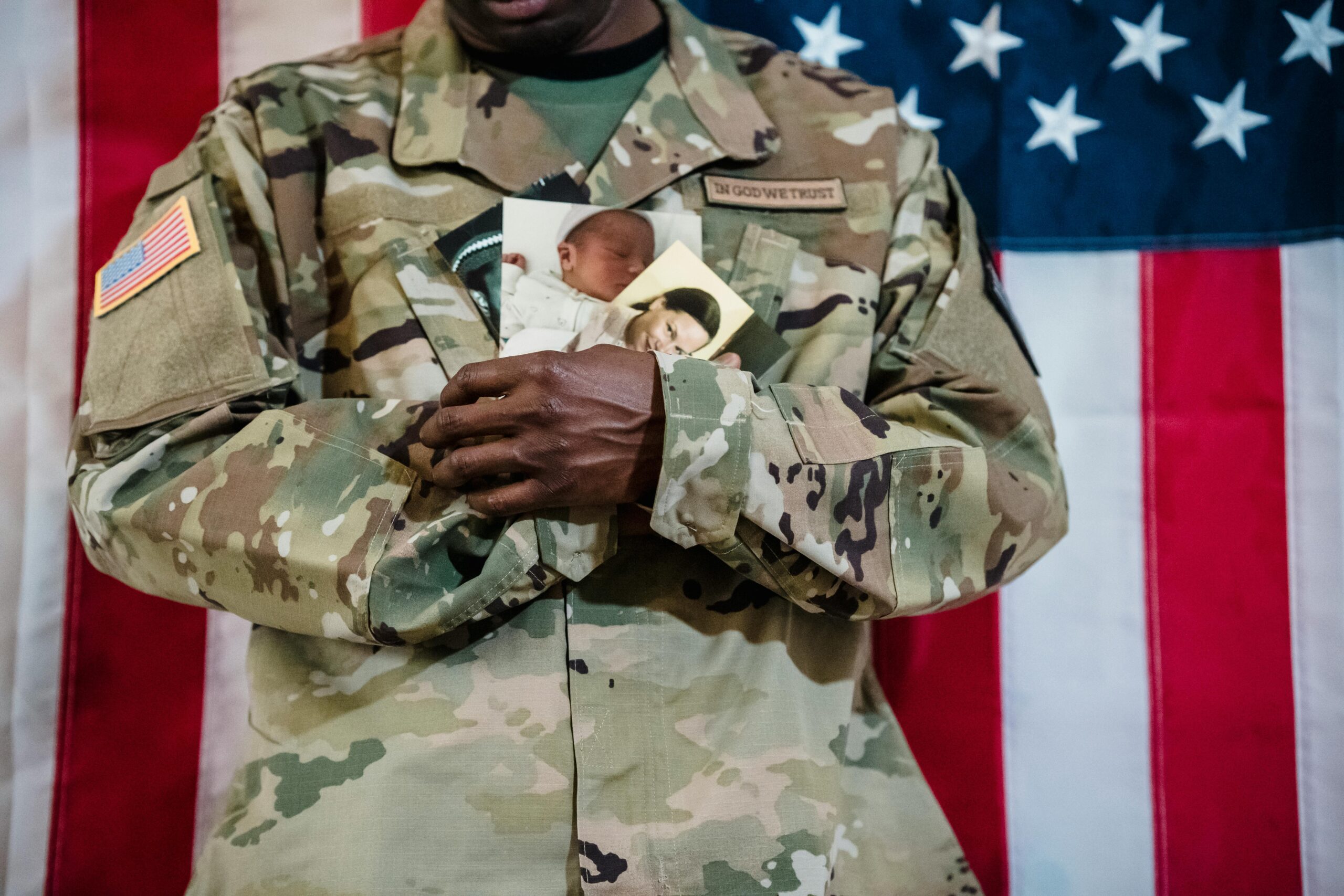
Family: the Bedrock of Bipolar Recovery
Retired Major General Gregg Martin, known as the “Bipolar General,” shares powerful reflections from his wife Maggie and son Phil on navigating bipolar disorder within a family. Drawing from his memoir Bipolar General, this post highlights the importance of early recognition, psychological first aid, and the vital role of family support and caregiving.
By Major General Gregg Martin, US Army (Retired), PhD
Not All Struggles Are Loud
Strength isn’t always visible. In this powerful reflection, Dr. Jillian LaFrance shares what it’s like to live with Bipolar 2 while managing a career, parenting, and the pressure to keep up appearances. Her story reveals the hidden weight of invisible illness, the challenge of being believed, and the importance of honesty, support, and self-awareness on the path to healing.
By Jillian LaFrance, PhD
Being Bipolar in Recovery
Bipolar disorder doesn’t replace recovery, it reshapes it. This post shares the story of a woman with 36 years of sobriety who discovered, after nearly two decades clean, that she was also living with bipolar 1. Her journey reveals the complexity of dual diagnosis, the limits of willpower alone, and the healing that happens when mental health and recovery support each other.
By Kimberly Pratt

Joy Without the High: Thriving in Euthymia
Living in remission from bipolar disorder doesn’t mean the worry disappears, but it does mean there’s room for joy. In this reflective piece, Lexie Manion shares what it’s like to navigate stability after years of struggle, while staying mindful of her mental health. With honesty and hope, she shows how healing is both a practice and a promise she keeps to herself, day by day.
By Lexie Manion

The Enemy Between My Ears
Living with bipolar disorder can feel like an internal war—one waged in silence, confusion, and exhaustion. In this haunting and powerful poem, Tom Luker gives voice to the shadowy presence of self-doubt and despair, while also illuminating the quiet resilience that refuses to disappear.
By Tom Luker

Turning Regret into Fuel for Change
Living with bipolar disorder can leave behind questions, regrets, and moments that are hard to face. In this reflective piece, Matthew explores how shame and acceptance can coexist, and how painful experiences have helped shape a more grounded, authentic self.
By Matthew Palmieri

Talking About Bipolar Disorder as a Family: Raising Emotionally Aware Kids in a Bipolar Household (Part Two)
Living with bipolar disorder often means balancing stability with unpredictability—especially when raising children. Part two of this two-part series features Melissa interviewing her spouse and explores the emotional complexities that come with navigating mental illness as a family.
By Melissa Howard
Talking About Bipolar Disorder as a Family: Raising Emotionally Aware Kids in a Bipolar Household (Part One)
Living with bipolar disorder often means balancing stability with unpredictability—especially when raising children. Part one of this two-part series explores the emotional complexity, intentional parenting, and honest conversations that define life in a family shaped by mental illness.
By Melissa Howard

High-Functioning Bipolar Disorder: Navigating the Complexities Behind the Mask
High-functioning bipolar disorder is often hidden behind success and stability—this post explores the unseen emotional labor, stigma, and internal challenges faced by those who appear to be ‘doing well’ while quietly battling a serious mental illness.
By Jillian LaFrance, Ph.D.

Healing in Other Languages: From the Body to the Mind
Pediatrics was my first encounter with human reality. The first language through which I learned how to heal. It was a medicine of contact, of play, of kneeling down to meet childhood in its own world. I learned to crouch, to connect, to breathe together.

Disclosing Bipolar: When Honesty Meets Connection
So now, with a clearer and more honest outlook, I find myself asking the question of, ‘Should I let this person know about this thing that might impact our relationship?’ It’s a divisive topic I often come across on social media–whether we should disclose our illness early on in a relationship, or if we should let it run its natural course and disclose once there is an established trust. I suppose there are pros and cons to each approach. I don’t think there is a clear-cut answer.
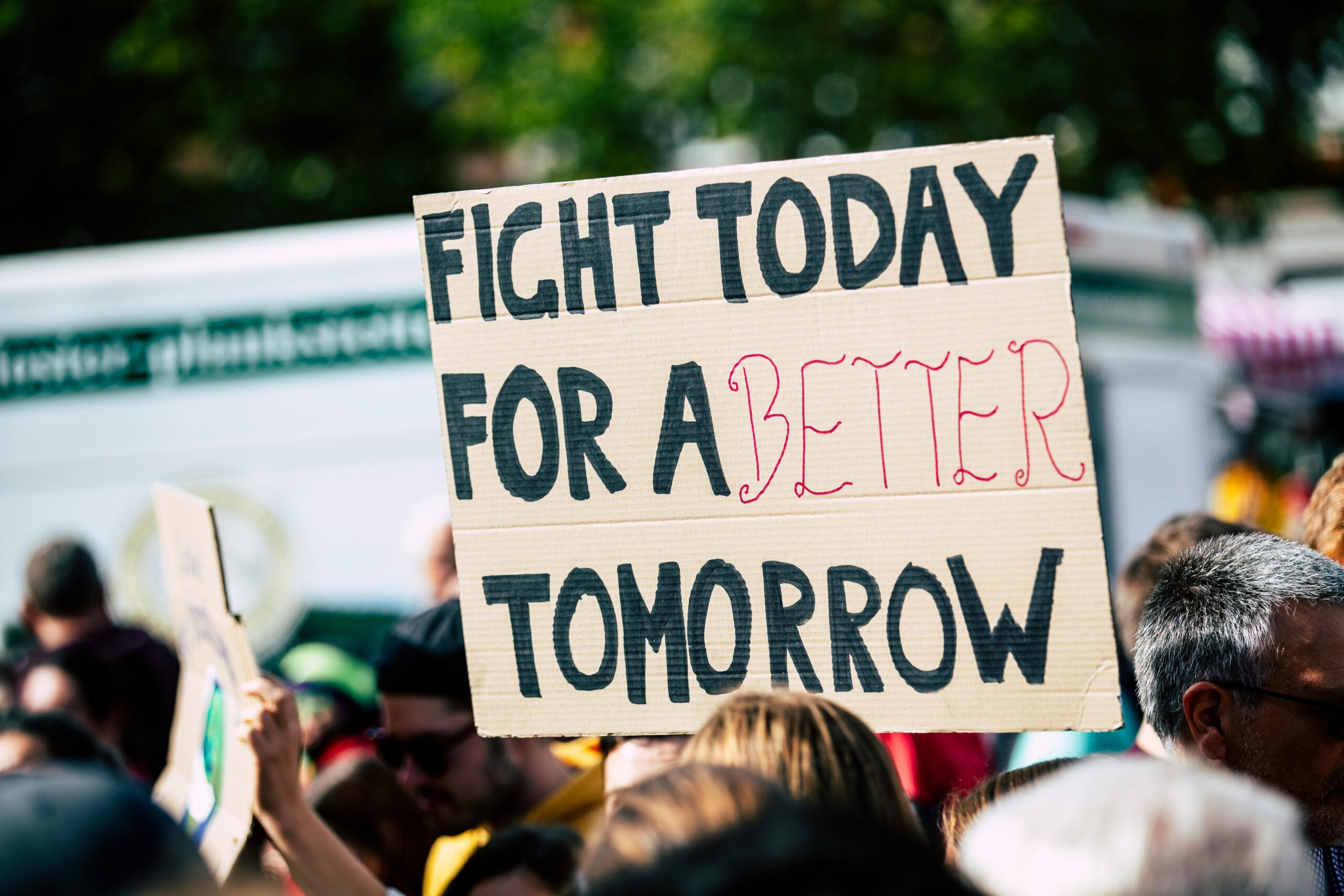
Mental Health Advocacy And Why It’s So Important
What is the first thing that comes to mind when we think of “advocacy”? A career based in the realms of law and justice? A high standing profession that can be practiced by those who are academically qualified right? Sounds a bit daunting for most of us. But, according to the Oxford Advanced Learners Dictionary, an advocate is “a person who supports or speaks in favor of somebody or of a public plan or action.” So, it is an intentional plan or movement that is created by a singular or unified public stance.

The Power of Advocacy
When I was first diagnosed with bipolar 1 disorder, I was devastated. I couldn’t fully comprehend the complexity of the illness or what it would mean to live with it for the rest of my life. I resisted the diagnosis, avoided medication, and struggled to accept that supporting my mental health would require a profound shift in how I lived day to day.

The Little Things That Change Everything
I was nine years old when six-time Olympic medalist Clara Hughes stopped in my town on the final days of her cross-Canada bicycle tour – an initiative with a goal of starting conversations and ending the stigma surrounding mental health. I remember how incredibly excited I was to see those gold medals up close, and how cool it was to stand at the end of my driveway, holding handmade signs and cheering as Clara and her team rode by.

Own it, then Learn, Fight, Win!
WIN – Create a recovery that’s built to last! – build your new life – manage your condition day by day – choose to adopt an ATTITUDE OF GRATITUDE in all circumstances, especially when times are hard. Own your condition – then Learn, Fight, and Win!

How Sharing Our Personal Stories Can Serve as Advocacy
It took me close to a decade after my diagnosis to come across the literature that would completely change the way I looked at my struggles with bipolar. After spending years not necessarily in denial—but operating under the assumption..
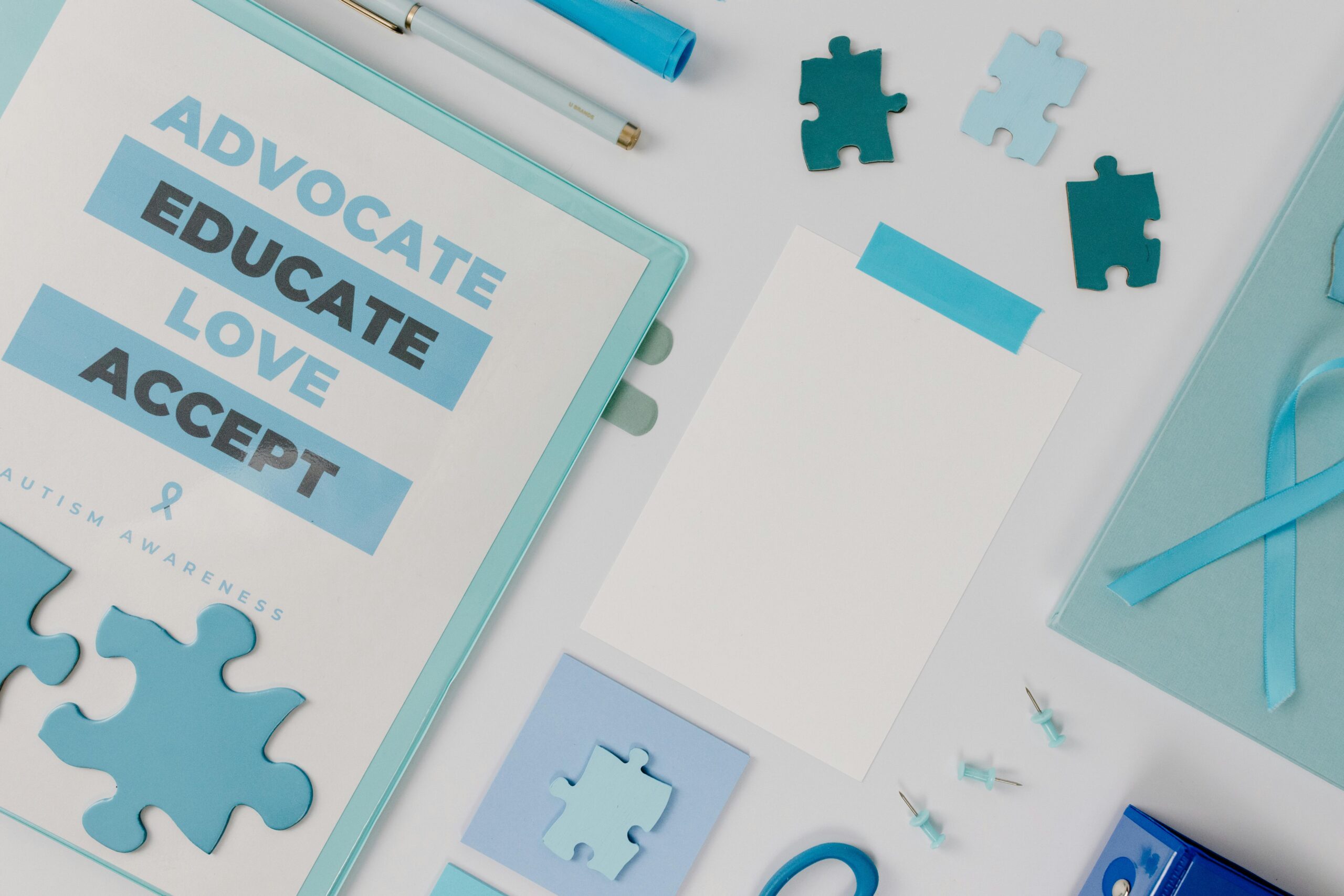
Coming Out About My Diagnosis: How I Decided Who to Tell and When
When I was diagnosed with bipolar disorder, there were certain people I had to inform. With some individuals, the decision wasn’t really mine to make. My parents, my girlfriend, my boss, and those who witnessed my manic episode needed to…
Bipolar, “My ‘Friend”
Dear Bipolar Friend: I never asked for or wanted you in my life — but you wanted me. I wouldn’t wish you on anyone, but… after much pain, you have ended up being a blessing.

Friends Made, Friends Lost, and the Person I Found
For most of my life in high school and college, I made friends with my undiagnosed bipolar disorder in the driver’s seat. Therefore, when I got my diagnosis, I couldn’t be the fun, energetic, and laughable person I once was. This was not a…

Bipolar Disorder: Strategies for Connection, Communication, and Care (Part 2)
Understanding bipolar disorder (BD) as a couple is not just managing a diagnosis – it’s about building a life together with greater compassion, flexibility, and love. As this blog is a follow up to my candid Q & A with my spouse, the…
Bipolar Disorder: A Candid Q & A With My Spouse (Part 1)
Navigating marriage with bipolar disorder (BD) is a journey of love, resilience, and continuous learning. Bipolar disorder can add unique challenges as well as hardships to a relationship, but with open communication, mutual…

Advocating for Justice and Care
Advocacy for individuals with bipolar disorder who become involved in the legal system is crucial. Advocacy demands a multifaceted approach that prioritizes mental health support and ensures consistent access to necessary medications. This vulnerable population often faces a variety of challenges, where the complexities of their mental illness cross-over with law enforcement, courts, and correctional facilities.

The Power of Repetition: Creating and Sustaining a Holistic Routine
It took me close to a decade after my diagnosis to come across the literature that would completely change the way I looked at my struggles with bipolar. After spending years not necessarily in denial—but operating under the assumption..

From Independent to Interconnected: My Journey to Building A Support System
It is often said that reaching out for help is one of the hardest things to do. But what if it wasn’t? There’s no doubt that it takes an incredible amount of strength, courage, and vulnerability to put so much trust in another person.

The Emotional Rollercoaster: Bipolar Disorder and GLP-1s
Bipolar disorder is characterized by dramatic mood, energy, and activity level shifts, which manifest as mania or hypomania (elevated mood) and depression (lowered mood), is associated with neurotransmitter imbalances (serotonin, dopamine, norepinephrine), structural and functional brain abnormalities, and genetic factors (NAMI, 2024). Individuals with bipolar disorder often experience co-occurring conditions, such as anxiety disorders, which can worsen mood fluctuations (NAMI, 2024). Irritability, anger outbursts, and emotional lability are also common.
Why I Advocate: Bringing Comfort to an Uncomfortable Topic
In 2011, I experienced my most devastating manic psychosis. To speak my truth, I didn’t expect to survive that episode. It changed me as a person. It was a traumatizing period for me and for those who loved me. I had already experienced mania and depressive episodes with psychotic features at the time of my diagnosis at nineteen.

Learning From The Sidelines
As is the same with so many varsity athletes, training and competing takes up the majority of my time and energy, but more importantly, my passion and purpose. So, when I found myself hospitalized with a mixed episode while in the midst of my first college badminton season, it shouldn’t have been a surprise that the only thing on my mind was getting myself out before my next tournament. I was in complete denial of everything that was going on around me – I don’t think I had a single conversation with any member of the staff that didn’t include me talking about my upcoming tournament.

My Journey with Aromatherapy & Bipolar Disorder: Focus, Stress & Sleep
I sometimes found myself frustrated at work, looking for temporary escapes from the modern madness of life. I tried stress balls and taking walks on my lunch break, although these had minimal effects on me. I remember reading something that said out of our five senses, the strongest is smell.

The Stigma of Bipolar Disorder: 10 Myths vs. Reality
Navigating the world with bipolar disorder can sometimes feel like walking through a hall of mirrors, where distorted reflections of reality constantly challenge your perception. For those unfamiliar, bipolar disorder is often shrouded in misconceptions and are perpetuated by sensationalized media portrayals and outdated stereotypes.
Unbreakable: A Message of Strength, Hope and Survival
Right now, in this moment of time and place, I am stable. I am a productive member of society. I take my meds and attend group and individual therapy sessions. I can keep up with my bills and hygiene. I am not participating in risky behaviors. I do not have any addictions. I am living the best possible life I can with the tools and support that I have.
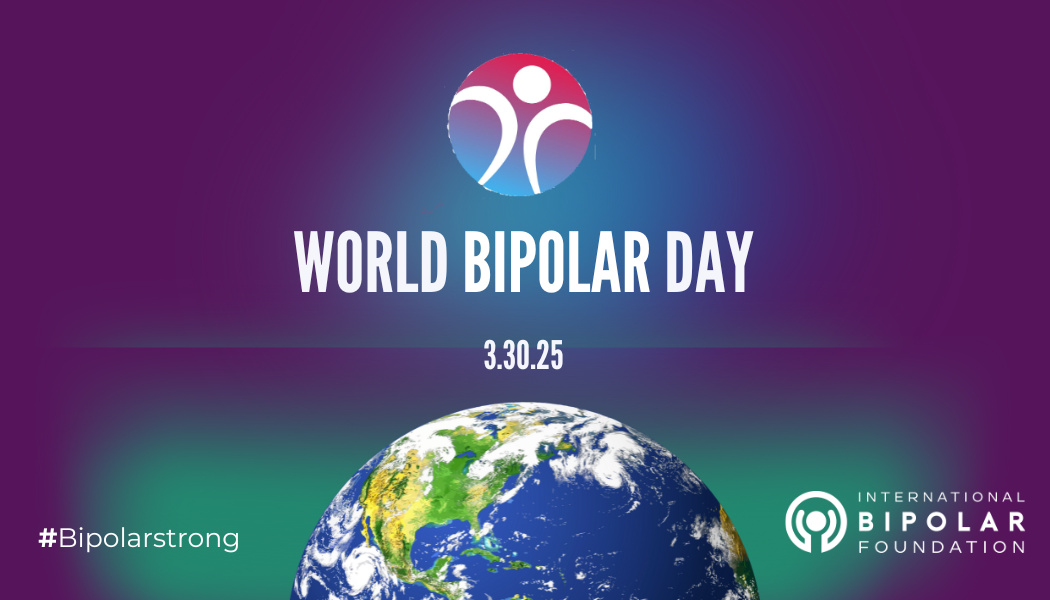
World Bipolar Day
My name is Paul English. I studied computer science and music in college and then went on in a career of entrepreneurship. I have started and sold six companies to date (including Kayak.com) and have also started five nonprofits.
Owning My Story: Bipolar, Confidence and Chosen Family
When I experienced my first manic episode, I didn’t see it coming. I don’t think many people do. I had been dealing with a diagnosis of Major Depressive Disorder since I was a teenager and had never even considered I might be bipolar. It started as a hum of energy, a lightness in my limbs, a sense that the world had sharpened into something clearer, brighter. I was unstoppable.
The Positivity of World Bipolar Day 2025 – #BipolarStrong
We are grateful to all of you for celebrating World Bipolar Day with us! Your shared lived experiences, comments, and shares on our social channels throughout the day helped spread awareness, reduce stigma, and showcase the strength of our global community.
Bipolar & Blessed
Subrina shares a beautiful poem about hope, strength, and resilience from her bipolar journey.
Lessons I Learned Along the Way
What makes me most proud of my journey is learning to live a happy and fulfilling life despite the many challenges of bipolar disorder. Over time, I have discovered that celebrating small victories, such as going to work, taking my dog Bengy for a walk, or simply engaging with society, has been essential in reclaiming my life. These everyday achievements remind me that while my disorder is part of who I am, it does not define me.
A Message from TK
I was almost finished with graduate school when I was struck down with a bipolar 2 depression and was unable to complete my degree. I felt for so long that I had failed. I defined myself as a failure. Then, just the other day, years later, I had the realization that I am not a failure, but quite to the contrary, I am a success.
The Resilience Revolution: Chivo Cycle’s Story of Overcoming
Cycling has helped me channel my energy, regulate my moods, and build a strong foundation of physical and mental well-being. It’s taught me the importance of consistency, self-care, and the strength that comes from pushing through difficult moments – lessons that translate directly into managing bipolar disorder. Even during full-blown manic episodes, I found the strength to get on my bike and cycle at home when I couldn’t attend classes, demonstrating a level of consistency that sustained me.

Recognizing Early Signs of Mood Shifts in a Work Setting
Managing bipolar disorder while working requires staying aware of early mood shifts to prevent disruptions. I’ve learned to recognize warning signs like changes in energy, difficulty focusing, social withdrawal or over-engagement, and emotional reactions such as rumination or impulsivity.
Interested in blogging for IBPF?
Check Out Pilar’s Corner!
Sharing lessons from personal experiences, time-saving tips, and helpful strategies to support you or your caregiver and navigate a bipolar diagnosis.
Check Out General Gregg’s Corner!
Hear from Major General Gregg Martin about his battle with bipolar disorder, and learn more about how you can support service members & veterans mental health.