
What does managing BD look like for you on a daily basis?
Living well every day with bipolar disorder is challenging, but not impossible. For me, it’s about having healthy habits and the self awareness to identify when I need to make adjustments in order to keep my bipolar disorder in control before it takes control over me. When I wake up in the morning, I pay attention to how I feel. Do I feel refreshed and calm or do I have a buzzing feeling in my body that warns me I’m wavering out of euthymia? If I’m not my best self, I try to identify what the cause could be. Am I not sleeping well? Is there conflict in my life I need to face?
Getting a good night’s sleep and walking each day are priorities. Before I received my diagnosis and started the right treatment plan, going two to three nights with little to no sleep seemed like a great time to be productive. Now I know that it’s a warning that I’m not in a good place. If I miss a day of walking, I notice. It’s been great for relieving stress. I’m not as clear headed or as calm as I am on days I do walk.
What does strength mean to you now?
Strength to me is embracing my diagnosis and recognizing bipolar disorder is just a part of me. I was misdiagnosed with depression for twelve years before my diagnosis of bipolar disorder. I felt like I had received a death sentence when I was diagnosed with bipolar disorder. I didn’t think I could pull myself out of the depression I was in and learn how to manage bipolar disorder successfully. Then I was relieved. The dark cloud following me cleared after starting my treatment plan. I finally had the right answer to the disaster my life had been for years – the intense mood swings, the voices in my head, the relentless suicidal ideation, the depressions. There was an explanation and I could challenge it all.
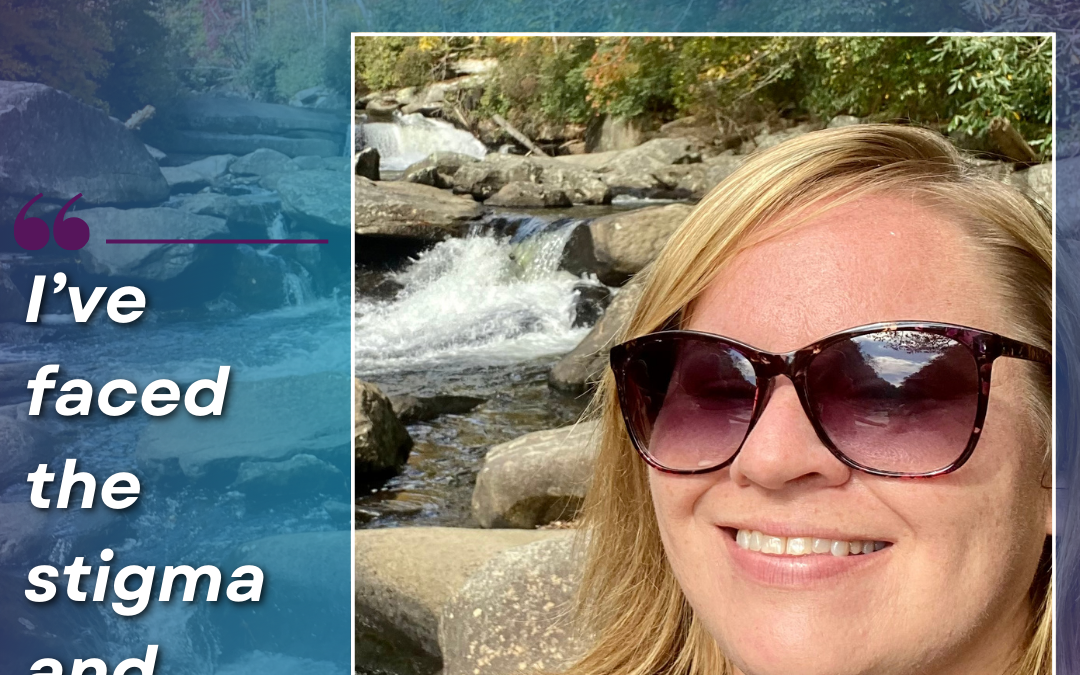
After managing my bipolar disorder well for the last three years, I celebrate how I’ve grown from it. My illness has made me more resilient and less concerned of what others think of me. When I’ve fallen out of stability, I’ve gotten back up and started over to get back to being healthy. I’ve faced the stigma and survived. Strength is looking at bipolar disorder as a benefit because of how we healthily adapt to it.
What do you wish more people understood about living with bipolar disorder?
We know we can be difficult and life around us can seem like you’re riding a roller coaster with us as we go through our highs and lows of bipolar disorder. We fight our brains everyday and it can be a very difficult struggle to win some days. No matter how well we manage our illness, it’s always possible for our symptoms to creep up. Sometimes they may not be as loud and strong and sometimes they may be. When those symptoms are more severe, it takes the very core of our being and replaces it with something that is completely opposite of who and what we truly are. It’s terrifying knowing there’s a chance you can change that much after working hard every day for it to not happen.
Living with bipolar disorder is also living with fear and shame. Fear we’re going to hurt someone and shame that we have. When I feel myself teetering into mania, my biggest fear is bipolar rage flaring up. I want to stay away from everyone to protect them from the other person I turn into. My bipolar rage is very strong and I have hurt so many people with it already.
What helps you feel most like yourself?
I feel most like myself when I’m with my support system. I have the most amazing friends and family who have stood by me through everything. Knowing I can be my true self around them keeps me relaxed and stress free, which is exactly what we need to help keep our bipolar disorder under control.
Sometimes the feelings of being unworthy and a burden lurk in. The stigma can be hard to ignore at any time, not just when we aren’t in a healthy place. I know these feelings aren’t true but they are so strong sometimes I can’t just brush them off. The presence of my friends and family reminds me I am loveable and whole. I am not broken. They chose me to be an important part of their life knowing everything about me, including the hard parts of my bipolar disorder. I chose them to be in my life and be a part of that journey. And it’s absolutely beautiful.
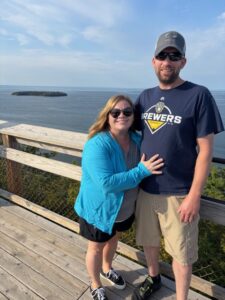
Above: Michelle and her husband, who she calls her biggest supporter.
