
Anonymous asks: What is the best way for a person with bipolar to support another person with bipolar?
There is no one-size-fits-all model for how to support others, especially if you are navigating the same diagnosis. Since there are diverse experiences with bipolar disorder, no one will story be the same. Some individuals struggle more with depression, while others are more likely to experience elevated mood, for example. Others have been hospitalized numerous times while many have only utilized outpatient treatment. Thus, it is crucial to remember that your experience is likely different in fundamental ways from that of your loved one’s.
When it comes to supporting your loved one with bipolar disorder (or anyone for that matter), I recommend demonstrating a willingness to hear their narrative with curiosity, empathy, and humility. This often involves listening without automatically trying to fix perceived problems or offering unsolicited advice. You may share helpful resources (such as the International Bipolar Foundation!) to provide expertise and wisdom on their journey. Finally, it is sometimes necessary to set appropriate boundaries to protect your own mental health; becoming over-involved in someone’s else’s suffering is often emotionally exhausting. In sum, showing up for others is a delicate balancing act but with the right ingredients, can be instrumental to their wellbeing.
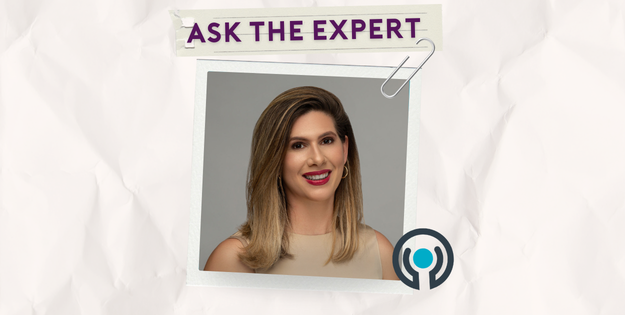
Dr. Stephanie Freitag PhD is a licensed clinical psychologist based in Brooklyn, New York. She runs her own private practice where she treats patients in seven states (CA, CT, FL, GA, MA, NJ, NY). As a specialist in bipolar disorder, she uses Interpersonal and Social Rhythm Therapy (IPSRT) to support patients in individual and group therapy. She most recently trained at the Emory School of Medicine where she is currently an assistant adjunct faculty member who publishes research on bipolar disorder and intimate partner violence. Beyond her clinical work and research she is passionate about advocacy and believes strongly in fighting the stigma associated with mental illness.
