
Author: Ivan Aponte
The quietest room I have ever been in was an isolation room.
Most people think of isolation as punishment. When they hear the word, they imagine cruelty, neglect or a system that has failed. The image is harsh: a person locked alone in a small room, cut off from the world.
But during one of the most severe mental health crises of my life, isolation became something else.
For me, it became silence.
Living with severe mental illness means that sometimes the mind becomes a storm. Thoughts race uncontrollably. Reality becomes distorted. Fear, confusion and pressure arrive all at once. During those moments the outside world can feel unbearable. Every voice, every expectation, every judgment adds another wave to the chaos already happening inside the brain.
When your own mind is fighting against you, the noise of the world can make the struggle even worse.
During one of these crises I was placed in an isolation room in a psychiatric unit.
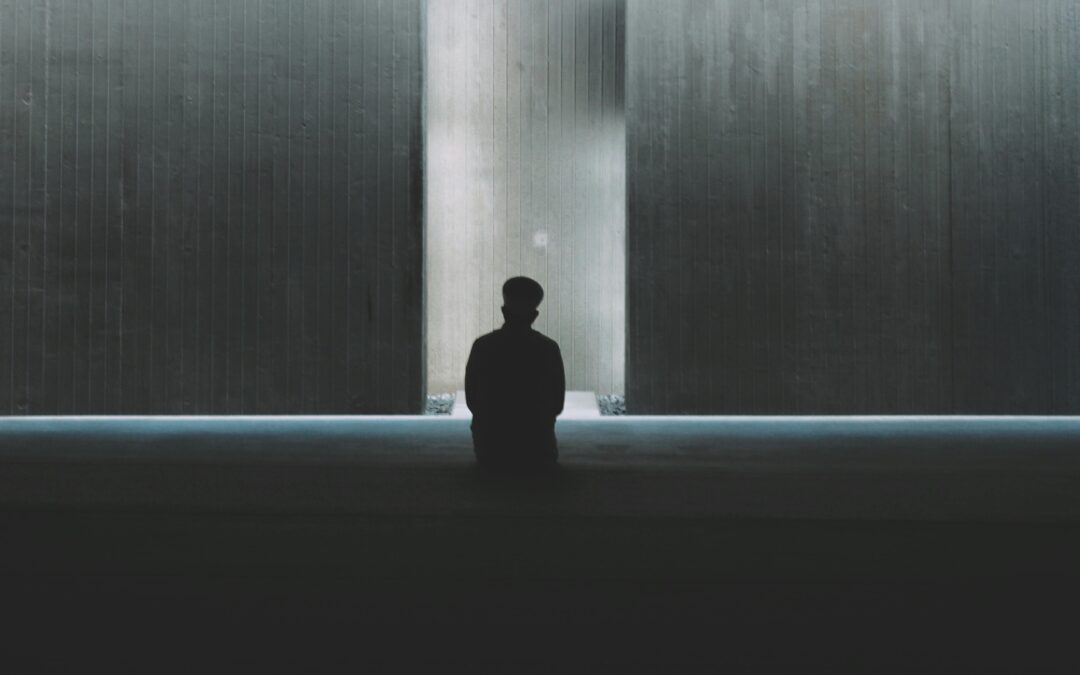
The room was small. Four walls. A narrow space with almost nothing inside it. To many people it would look like confinement. Some would see it as cruel. Some would call it punishment.
But something unexpected happened when the door closed.
The noise stopped.
For the first time in a long time there were no people speaking to me, no eyes watching me, no one trying to tell me what I should think or how I should behave. There were no expectations. No pressure.
There was only silence.
And in that silence, something inside my mind began to settle.
Isolation did not cure my illness. Mental illness is complex. It requires treatment, medication, therapy and support. Recovery does not come from one moment or one place. But in that room, during that crisis, the absence of outside pressure gave my mind something it rarely experiences when things are spiraling out of control.
Space.
It felt like stepping out of a storm.
Imagine being in the middle of a hurricane of thoughts and suddenly walking into a place where the wind stops. That was the feeling. The racing slowed. The confusion softened. My mind had a moment to breathe.
Public conversations about isolation in psychiatric care are often intense and emotional. Many people view it as abusive or inhumane. In some cases, they may be right. Isolation used carelessly or for long periods can cause harm.
But my experience was different.
Used carefully and temporarily, isolation gave me something I desperately needed in that moment: a pause. A place to calm down, to reset, and to regain control of my thoughts before I hurt myself or someone else.
From the outside, the room may have looked like confinement.
From the inside, it felt closer to protection.
Mental illness can push people into dangerous territory. During severe episodes, people may lose control of their behavior, their memory, even their sense of reality. When that happens, safety becomes the most important priority.
Sometimes safety looks different from what people expect.
For me, in that moment, safety looked like four quiet walls.
It may sound paradoxical. The world often associates isolation with suffering. But during that crisis, the silence allowed something rare to happen: my thoughts slowed down enough for me to observe them instead of drowning in them.
In that quiet place I began to reflect on what was happening inside my mind. I realized that the chaos I had been experiencing was not permanent. The storm, intense as it was, could pass.
And with that realization came a strange feeling I did not expect to find in a locked room.
Freedom.
Not the freedom of movement, but the freedom of a mind beginning to regain control of itself.
During that time, I wrote a short poem to capture what the experience felt like.
Isolation
by Ivan Aponte
In a room the world calls punishment,
I found a strange kind of peace.
No voices pushing,
no eyes judging,
no hands trying to move my life.
Just silence.
Four walls, a narrow space—
yet inside my mind
an entire universe opened.
The noise of the world faded,
the pressure disappeared,
and for a moment
my thoughts could breathe.
They called it isolation.
They called it confinement.
But in that quiet place
where no one could reach me,
I discovered something unexpected—
freedom.
