
Something I am proud of in my journey:
I am proud of myself for maintaining long periods of stability between episodes.
I have had two major manic episodes, one with psychosis (where I was close to being admitted), and these were hugely debilitating and disrupted all areas of my life. However, I was stable for seven years between episodes and it’s been six years since my last one (and counting).
Living with bipolar can feel incontrollable. While professionals and medication play a vital role, I believe taking charge of your own recovery and wellbeing is fundamental to establishing a sense of control, by owning and taking charge of becoming and staying well. Rather than feeling at the mercy of episodes or relying solely on professionals, I shifted my mindset to take charge of my mental and emotional wellbeing. When I did, I was able to feel self-aware and in charge, which is needed when bipolar can make you feel wild and unpredictable.
Through each episode, I leaned into self-awareness, self-discovery and self-reflection. With education, curiosity and trialling new techniques, I was able to recover and maintain wellbeing. Over time I created and keep adding to my own ‘selfcare toolkit,’ which has a variety of tools I learned. I tried everything I heard about and learned from others, to see what worked for me. I now know what works, when and in what circumstances. And I keep adding to it! These tools are vital for me, I found my own sense of ‘normal’ and I dial up and down techniques when needed.
Being self-aware and mindful of my triggers, warning signs and symptoms, can help me know when to deploy skills and practices to help mitigate or reduce potential episodes. My toolkit allows me to take charge of myself, be accountable and maintain self-control. This is ultimately empowering me on my journey with bipolar.
I believe my long periods of stability are due to this self-awareness and monitoring, then deploying tools when needed to help me maintain being well. I focus on sleep, routine, managing stress, trying to eat well, exercise, monitoring symptoms, checking in with myself and being honest about how I am coping. Layer in medication and annual check-ups with professionals, ultimately I feel empowered and proud of myself for maintaining long periods of stability, despite the diagnosis.
Message for those who are newly diagnosed:
Receiving this lifelong diagnosis can a big thing, so allow yourself a lot of patience and grace while you process the news. Just like any major news in life, you’ll likely go through the ‘change curve’ and feel all the emotions related to it – shock, denial, anger, bargaining, depression and finally acceptance.
Having a bipolar diagnosis can be incredibly helpful because now you know what is happening and why. There are many ways you can educate yourself about the condition – books, podcasts, websites, articles, etc. Learn what you can about bipolar to better understand how the illness shows up in your life.
There are many things you can do to take control of your own recovery, to reach and maintain stability. Try all the different techniques you hear about from others. Sometimes you might think “there’s no way mindfulness/deep breathing/mood diary will work for me” but try it anyway because it just might. Then you have a bunch of tools to draw on when you need it.
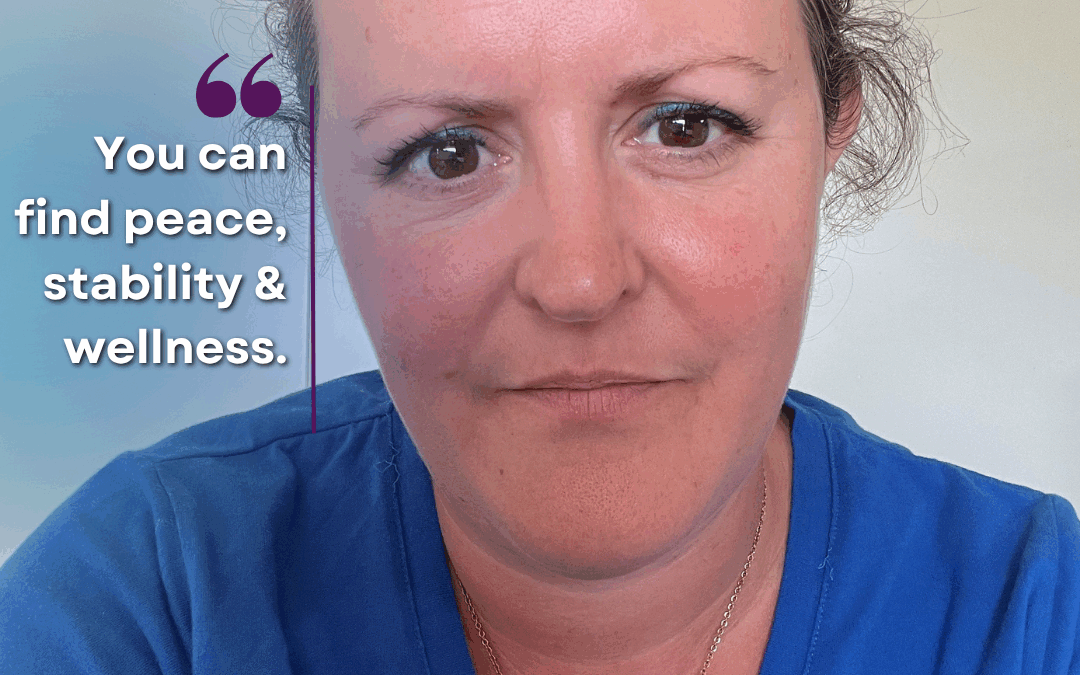
Now that you have a diagnosis, be kind and compassionate to yourself as you navigate this journey, but you can find peace, stability and wellness despite the diagnosis.
